
Health Surveillance Technician for Bakery Workers
Get in touchAt Health Surveillance Technician for Bakery Workers, we provide specialist workplace monitoring for employees exposed to flour dust and other allergens commonly found in bakery environments.
Flour dust is a leading cause of occupational asthma in the UK, and bakery staff are at high risk of developing respiratory issues and skin conditions.
Our technicians carry out health checks in line with the Control of Substances Hazardous to Health (COSHH) Regulations, ensuring early detection of health problems, legal compliance, and protection for workers.
Request a free quote for a health surveillance technician for bakery workers.
Why Is Health Surveillance Important for Bakery Workers?
Bakery workers are exposed daily to airborne flour dust, enzymes, and improvers, which can irritate the lungs and skin.
Without monitoring, prolonged exposure can lead to asthma, rhinitis, and dermatitis.
Health surveillance identifies early warning signs so that action can be taken before serious illness develops.
It also demonstrates that the employer is meeting their duty of care under UK law.
What Does a Health Surveillance Technician Do for Bakery Workers?
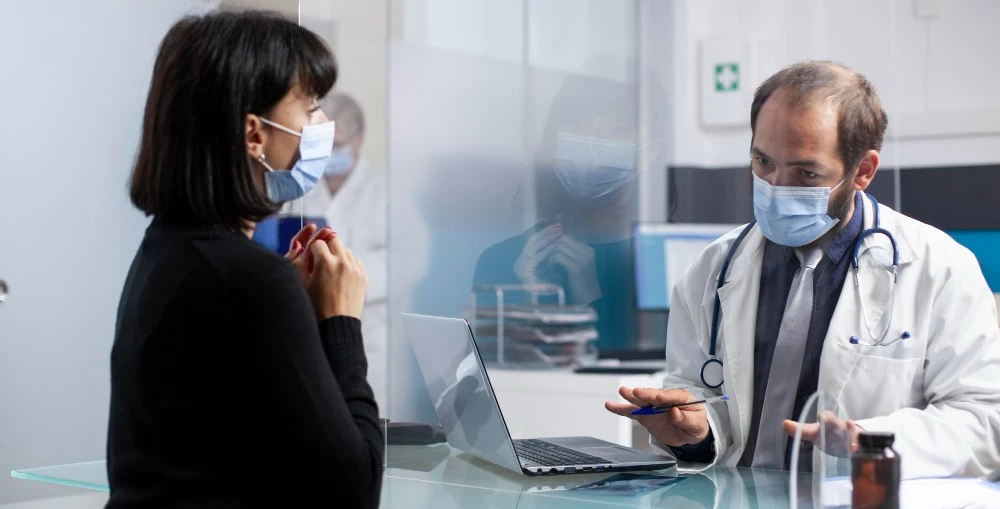
A technician carries out routine health checks, such as lung function tests, respiratory questionnaires, and skin inspections.
They ask employees about symptoms like wheezing, coughing, or nasal irritation.
The technician also records any concerns and refers employees to occupational health professionals if needed.
They may also provide guidance on safe working practices, such as reducing flour dust exposure and the correct use of PPE.
How Often Should Health Surveillance Be Carried Out for Bakery Staff?
The frequency of health surveillance for bakery workers depends on the level of exposure risk.
New employees should be checked before starting work with flour dust and again within the first few weeks of exposure.
Ongoing surveillance is usually carried out annually but may be more frequent if workers show early signs of respiratory or skin problems.
Regular monitoring ensures that risks are identified quickly and managed effectively.
What Is the Cost of Health Surveillance for Bakery Workers?
The cost of health surveillance for bakery workers is from £50 to £80 per employee.
More comprehensive programmes, including spirometry testing and referrals to occupational health professionals, can range from £100 to £150+ per employee.
The cost of health checks for bakery workers depends on the size of the workforce, the frequency of checks, and whether lung function testing is required.
For bakeries with larger teams, tailored packages can help reduce costs per worker. This is a worthwhile investment compared to the costs of sickness absence, legal claims, or enforcement by the HSE.
What Are the Benefits of Health Surveillance for Bakery Workers?
The key benefit of health assessments for bakery staff is that it identifies early signs of occupational asthma or dermatitis, protecting staff health while ensuring employers comply with COSHH regulations.
Key benefits include:
Detects early signs of occupational asthma and dermatitis.
Helps reduce sickness absence caused by respiratory conditions.
Ensures compliance with COSHH regulations.
Protects employees’ long-term health and wellbeing.
Provides evidence of employer responsibility and care.
What Symptoms Are Monitored During Bakery Worker Health Checks?
Health assessment technicians look for early signs of respiratory and skin problems.
Common symptoms include wheezing, persistent coughing, nasal congestion, eye irritation, and shortness of breath.
For skin checks, redness, dryness, itching, or cracking may indicate dermatitis.
By recording and escalating these findings, technicians ensure that conditions are detected before they progress into serious health issues.
Is Health Surveillance for Bakery Workers a Legal Requirement?
Under COSHH Regulations, employers must provide health surveillance when employees are exposed to substances that can cause asthma or dermatitis, such as flour dust.
The Health and Safety Executive (HSE) identifies bakery work as one of the highest-risk industries for occupational asthma.
Employers must therefore have a structured programme of surveillance in place to remain compliant.
What Happens If a Worker Shows Symptoms of Asthma or Dermatitis?
If a health surveillance technician identifies possible symptoms of occupational asthma or dermatitis, the employee is referred to an occupational health professional for further assessment.
Depending on the diagnosis, adjustments to their duties may be necessary to reduce exposure.
In some cases, the worker may need medical treatment or even removal from high-risk areas.
Employers are legally required to act on medical advice to protect staff health and safety.
How Are Health Surveillance Records Managed for Bakery Workers?
All records from bakery worker health surveillancemust be kept securely and confidentially for at least 40 years, as some conditions may develop gradually over time.
Records include respiratory questionnaires, lung function test results, and skin check findings.
These documents must be made available to the Health and Safety Executive (HSE) if requested.
Accurate record keeping demonstrates compliance and provides essential evidence of employer responsibility.
How Can Employers Reduce Exposure to Flour Dust?
Employers can take practical steps such as installing proper local exhaust ventilation (LEV), using flour dust suppression techniques, and automating weighing and mixing processes where possible.
Providing high-quality personal protective equipment (PPE), such as respirators, is also essential.
Training staff in safe handling techniques, like careful tipping and mixing, helps reduce airborne dust. Combined with regular health surveillance, these measures minimise long-term risks.
Are New Employees Required to Have a Health Check Before Exposure?
New bakery workers should undergo a baseline health assessment before starting work with flour dust.
Establishes a record of their respiratory and skin health so that any future changes can be identified.
A follow-up check is usually carried out within the first few weeks of exposure to ensure they are not reacting adversely.
After that, ongoing annual checks are the norm for most employees.
Which Bakery Roles Are Most at Risk?
Roles that involve handling flour directly, such as mixers, dough makers, and production line staff, face the highest exposure to flour dust.
Bakers working in small or poorly ventilated environments are also at significant risk.
Even packaging or cleaning staff can be exposed to airborne flour particles if adequate controls are not in place.
Health surveillance covers all employees where exposure to flour dust or enzymes is likely.
What Role Does the Technician Play Compared to an Occupational Health Nurse?
The technician’s role is to carry out routine health checks for bakery workers such as questionnaires, lung function tests, and skin inspections, recording results carefully.
If concerns are identified, the technician escalates the case to an occupational health nurse or physician for medical review.
Tiered approach ensures efficient use of resources while maintaining a strong system of protection.
The technician acts as the first line of defence in spotting early signs of ill health.
Can Health Surveillance Reduce Sickness Absence in Bakeries?
Regular health checks are one of the most effective ways to reduce absence.
Occupational asthma and dermatitis are leading causes of sickness in the bakery industry, often resulting in long-term absence if left untreated.
By detecting early symptoms, intervention can take place before conditions worsen.
The benefits both employees, who stay healthier, and employers, who avoid disruption and costs linked to absenteeism.
How Do Employees Benefit from Participating in Surveillance?
Employees gain reassurance that their health is being monitored and protected.
Regular health checks for bakery staff help to detect issues early, meaning treatment can start before problems become serious or permanent.
They also receive advice on personal protection and safe working habits.
Participation ensures that workers are safeguarded while carrying out their duties and that any risks are reduced through timely interventions.
Are Employees Trained Alongside Surveillance Checks?
Health surveillance is most effective when combined with training.
Technicians and occupational health teams use checks as opportunities to reinforce good hygiene practices, PPE use, and methods for reducing flour dust exposure.
Training empowers staff to take responsibility for their own health and to recognise early symptoms themselves.
Our dual approach creates safer working environments and stronger compliance.
What Happens If Surveillance Identifies Multiple Cases in One Bakery?
If several workers show signs of flour dust-related illness, this indicates a wider workplace issue.
The employer must carry out an urgent review of control measures, including ventilation, cleaning practices, and PPE.
The HSE may also investigate if widespread ill health is reported.
Addressing these issues promptly ensures that further cases are prevented and that the business remains compliant with COSHH regulations.
Request a Free Quote for Bakery Staff Health Assessments
At Health Surveillance Technician , we provide essential monitoring services that protect staff from occupational asthma and skin conditions while ensuring employers remain compliant with UK regulations.
Our technicians carry out thorough checks, record findings, and escalate cases when necessary.
Contact us at Health Surveillance Technician to get a free consultation today and schedule health checks for bakery workers.