
Health Surveillance Technician for Formaldehyde
Get in touchAt Health Surveillance Technician, we provide specialist monitoring services for employees exposed to formaldehyde in the workplace.
For these reasons, employers must provide health surveillance under the Control of Substances Hazardous to Health (COSHH) Regulations 2002 when workers are regularly exposed.
Our technicians support this by conducting checks, keeping records, and escalating concerns to occupational health professionals when needed.
Request a free quote for your health surveillance assessment today and stay protected from formaldehyde poisoning.
Why Is Health Surveillance Important for Formaldehyde Exposure?
Formaldehyde exposure can lead to both short-term and long-term health problems.
Short-term effects include eye and throat irritation, coughing, wheezing, or skin rashes.
Formaldehyde is widely used in laboratories, healthcare, textiles, resins, and embalming, but it is also a recognised hazardous substance.
Exposure can irritate the eyes, nose, and throat, cause allergic skin reactions, and, in the long term, it has been linked to certain cancers.
Over time, repeated exposure increases the risk of asthma and cancer.
Health surveillance ensures that symptoms are detected early, so corrective action can be taken before conditions become serious.
It also reassures employees that their health is being actively monitored and protected.
What Does a Health Surveillance Technician Do for Formaldehyde Exposure?
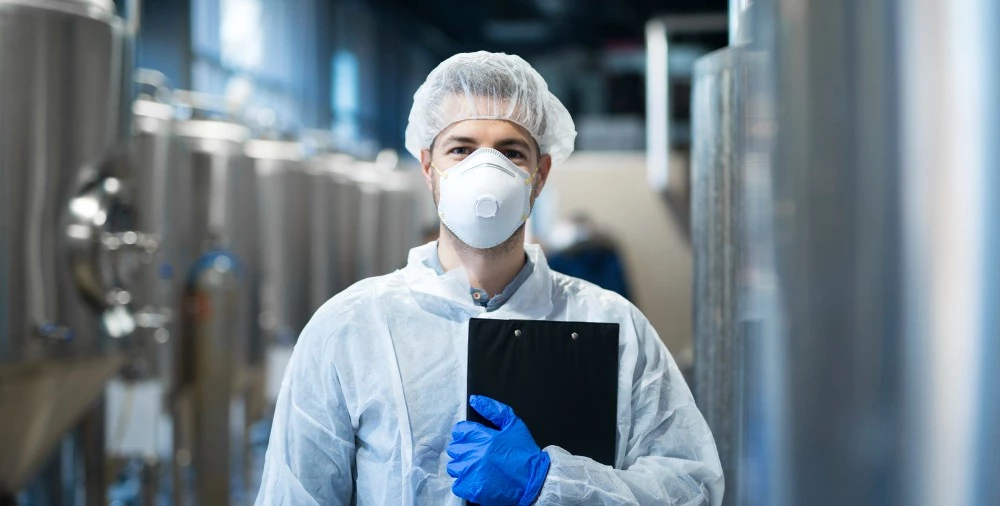
A health surveillance technician carries out initial health questionnaires, symptom reviews, and skin checks for employees exposed to formaldehyde.
They monitor for respiratory irritation, dermatitis, or signs of sensitisation.
Technicians record findings accurately and escalate concerns to an occupational health nurse or physician.
They also remind staff about safe working practices, correct use of PPE, and good hygiene habits to reduce exposure risks.
How Often Should Health Surveillance Be Carried Out for Formaldehyde?
The frequency of health surveillance depends on the level of exposure identified in the employer’s COSHH risk assessment.
New employees should undergo a baseline health check before beginning formaldehyde-related tasks.
Ongoing checks are typically required annually, but more frequent surveillance may be necessary in high-risk roles or where employees report symptoms.
We ensure risks are consistently monitored and controlled.
What Symptoms Are Monitored During Formaldehyde Health Checks?
Formaldehyde health assessment technicians monitor for eye irritation, sore throats, coughing, wheezing, or chest tightness.
They also look for skin reactions such as redness, rashes, or dermatitis.
Questionnaires are used to track changes in symptoms over time, helping detect early warning signs of sensitisation.
When needed, further medical tests or specialist referrals are arranged to confirm a diagnosis and recommend interventions.
Is Health Surveillance for Formaldehyde a Legal Requirement?
Under COSHH Regulations, employers must provide health surveillance when workers are exposed to substances known to cause asthma, cancer, or dermatitis, formaldehyde being one of them.
We include baseline checks, ongoing monitoring, and long-term record keeping.
Failure to provide surveillance can lead to enforcement action, fines, and liability claims.
Records must be kept for at least 40 years because of the long latency of formaldehyde-related conditions.
What Is the Cost of Health Surveillance for Bakery Workers?
The cost of health surveillance for bakery workers is from £50 to £80 per employee.
More comprehensive programmes, including spirometry testing and referrals to occupational health professionals, can range from £100–£150+ per employee.
The cost of health surveillance for bakery workers depends on the size of the workforce, the frequency of checks, and whether lung function testing is required.
For bakeries with larger teams, tailored packages can help reduce costs per worker. This is a worthwhile investment compared to the costs of sickness absence, legal claims, or enforcement by the HSE.
What Are the Benefits of Health Surveillance for Formaldehyde?
The key benefit of Formaldehyde health assessments is that it identifies early signs of occupational asthma or dermatitis, protecting staff health while ensuring employers comply with COSHH regulations.
Key benefits include:
Detects early signs of respiratory or skin problems caused by formaldehyde.
Ensures compliance with COSHH and HSE expectations.
Protects employee health and well-being by identifying risks quickly.
Provides reassurance to staff working in high-risk environments.
Maintains detailed records to demonstrate employer responsibility.
What Happens If a Worker Shows Symptoms of Formaldehyde Exposure?
If a Formaldehyde health technician identifies symptoms such as persistent coughing, wheezing, or skin irritation, the employee is referred to an occupational health nurse or physician for further assessment.
Additional medical tests may be required, such as lung function tests or allergy testing, to confirm whether formaldehyde is the cause. In the meantime, the worker may need adjustments to duties or reduced exposure.
Employers must act promptly on medical advice to protect staff and remain compliant with COSHH.
How Are Health Surveillance Records for Formaldehyde Managed?
All health surveillance records must be retained securely for at least 40 years, as some conditions caused by formaldehyde exposure can take many years to develop.
These records include questionnaires, skin checks, spirometry results, and referrals to medical professionals.
Employers must ensure records are accessible to the Health and Safety Executive (HSE) if requested. Accurate record keeping demonstrates compliance and provides evidence of duty of care.
Which Industries Are Most at Risk of Formaldehyde Exposure?
Industries with significant formaldehyde use include healthcare and pathology labs (embalming and specimen preservation), textile and resin production, woodworking, and certain plastics or chemical manufacturing.
Workers in these environments may be regularly exposed to vapours or skin contact with solutions.
Any workplace handling formaldehyde must assess risks and implement appropriate health surveillance programmes.
Can Technicians Provide Advice to Employees on Reducing Exposure?
Health surveillance technicians often use checks as an opportunity to reinforce safe working practices.
While they are not medical staff, they can provide guidance on using personal protective equipment (PPE), handling substances safely, and maintaining good hygiene.
Workers are reminded to report early symptoms promptly.
Our combination of surveillance and education helps reduce exposure and encourages a strong safety culture.
Do All Employees Working with Formaldehyde Need Health Surveillance?
Not every employee requires surveillance, but anyone regularly exposed to formaldehyde vapours, solutions, or dust in their daily work must be included.
Employers must carry out a COSHH risk assessment to determine who is at risk.
Those handling samples, working in laboratories, or involved in manufacturing processes where formaldehyde is present are typically covered.
Even support staff working nearby may need inclusion if exposure is possible.
How Often Should Formaldehyde Health Checks Be Carried Out?
Formaldehyde checks are required annually, but higher-risk roles may need more frequent surveillance.
New employees should have a baseline assessment before starting work, followed by a review after the first few months to capture early symptoms.
After this, yearly checks are standard unless symptoms appear sooner. Employers should adjust frequency based on workplace monitoring results and medical advice.
Can Health Surveillance Help Reduce Absenteeism?
Regular health surveillance helps reduce sickness absence by detecting early warning signs of conditions such as asthma, dermatitis, or throat irritation.
Early detection allows intervention before the illness worsens, ensuring employees can continue working safely.
Employers benefit from reduced absenteeism, fewer compensation claims, and improved productivity.
Proactive monitoring ultimately saves businesses both time and costs.
Get a Free Quote Today
At Health Surveillance Technician , we provide reliable, compliant monitoring that helps employers safeguard staff and meet their legal obligations.
Our technicians carry out thorough checks, maintain accurate records, and escalate concerns when needed.
We protect workers from long-term health risks and help businesses avoid the consequences of non-compliance.
Contact us today for a free, no-obligation quote and schedule your next health surveillance assessment for formaldehyde.