
Health Surveillance Technician for Silica Exposure
Get in touchAt Health Surveillance Technician for Silica Exposure, we provide specialist monitoring services for employees exposed to respirable crystalline silica (RCS) dust.
Silica is present in materials such as concrete, stone, bricks, and mortar. When inhaled, fine silica dust can cause severe and irreversible lung diseases, including silicosis, chronic obstructive pulmonary disease (COPD), and lung cancer.
Since businesses have these risks, UK employers are legally required under the Control of Substances Hazardous to Health (COSHH) Regulations 2002 to carry out health surveillance for workers exposed to silica.
Request a free quote for expert health surveillance technicians for silica exposure.
Why Is Health Surveillance Important for Silica Exposure?
Silica dust is one of the most serious occupational health hazards in the UK.
It can remain airborne for long periods and be inhaled deep into the lungs, often without workers noticing.
The health effects may take years to develop but can be life-threatening.
Health surveillance provides early detection of symptoms, helping to prevent long-term illness.
It also reassures employees and demonstrates that employers are meeting their duty of care.
Our technicians support this process by conducting routine checks, recording results, and ensuring compliance.
What Does a Health Surveillance Technician Do for Silica Exposure?
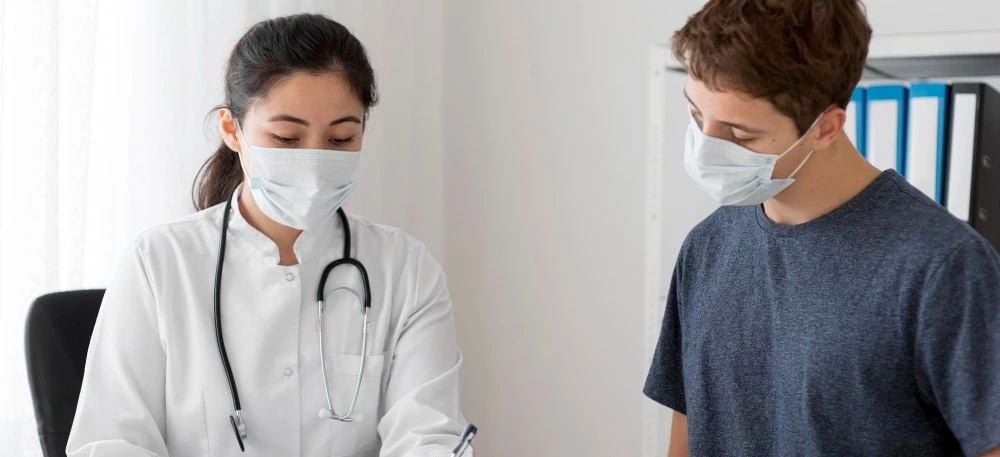
A health surveillance technician carries out respiratory health questionnaires, monitors symptoms such as coughing or breathlessness, and records occupational histories.
They may also assist in arranging lung function tests (spirometry) to assess how well the lungs are working.
Technicians ensure that results are documented and escalate any concerns to an occupational health nurse or physician for further investigation.
They also reinforce good practices, such as the proper use of respiratory protective equipment (RPE).
How Often Should Health Surveillance Be Carried Out for Silica?
The frequency of surveillance depends on the level of risk identified in the employer’s COSHH assessment.
New employees must undergo a baseline health check before starting silica-related work.
Ongoing surveillance is usually required annually, but checks may be more frequent for high-risk roles such as stone cutting, demolition, or tunnelling.
Regular reviews ensure early warning signs are not missed.
How Much Do Health Surveillance for Silica Exposure Cost?
The cost of health surveillance for silica exposure is £50 to £80 per employee.
More comprehensive assessments, including spirometry and medical referrals, may cost £100–£150+ per employee.
The cost of health surveillance for silica exposure depends on the size of the workforce, the level of testing required, and whether lung function tests or laboratory analysis are needed.
Larger employers often benefit from tailored packages that reduce the cost per worker.
Investing in surveillance is far less costly than managing long-term illness, enforcement fines, or compensation claims.
What Are the Benefits of Health Surveillance for Silica Exposure?
The key benefit is that it detects early signs of lung disease, ensuring timely intervention while helping employers stay compliant with UK health and safety regulations.
Other benefits include:
Detects early signs of respiratory problems before they become severe.
Helps reduce sickness absence linked to lung disease.
Ensures compliance with COSHH and HSE guidance.
Provides reassurance to workers exposed to silica dust.
Maintains long-term records that demonstrate employer responsibility.
What Symptoms Are Monitored During Health Checks?
Technicians look for signs of respiratory illness such as persistent coughing, wheezing, breathlessness, or chest tightness.
They also ask about fatigue, reduced exercise tolerance, or any changes in lung function.
Since silica-related diseases may not show obvious symptoms until advanced stages, lung function tests and regular monitoring are essential.
Early detection offers the best chance of preventing serious illness.
Is Health Surveillance for Silica a Legal Requirement?
Under COSHH Regulations, employers must provide health surveillance for employees exposed to respirable crystalline silica.
Health surveillance is a legal duty and applies to industries such as construction, quarrying, stone masonry, and foundries.
Records of surveillance must be kept for at least 40 years due to the long latency of silica-related illnesses.
Failure to comply can result in enforcement action, fines, and liability claims.
What Happens If a Worker Shows Abnormal Lung Function Results?
If lung function tests or questionnaires suggest abnormalities, the technician will escalate the case to an occupational health nurse or physician.
The employee may then undergo further medical tests such as chest X-rays or specialist respiratory assessments.
In some cases, the worker may need to be reassigned to a lower-exposure role while investigations continue.
Employers must act promptly on medical advice to protect staff and ensure compliance with COSHH.
How Are Health Surveillance Records for Silica Exposure Managed?
Health surveillance records must be retained securely for at least 40 years, as silica-related diseases can take decades to develop.
These records include baseline assessments, spirometry results, questionnaires, and medical referrals.
Employers must make them available to the Health and Safety Executive (HSE) if requested.
Accurate record keeping is essential for both compliance and long-term worker protection.
Which Industries Are Most at Risk from Silica Exposure?
The highest risks are found in construction, stone masonry, quarrying, tunnelling, demolition, and foundries.
Workers involved in cutting, grinding, or drilling concrete, bricks, or stone are particularly exposed to respirable crystalline silica (RCS).
Even low-level, long-term exposure can cause serious illness. Health surveillance is vital across all these industries to monitor risks and protect workers’ long-term health.
How Can Employers Reduce the Risk of Silica Exposure?
Employers can reduce exposure by using dust suppression techniques such as water sprays, on-tool extraction, and local exhaust ventilation (LEV).
Providing properly fitted respiratory protective equipment (RPE) is also essential where dust cannot be fully controlled.
Training workers in safe handling practices and good hygiene reduces further risks. Surveillance ensures that these controls are effective and that any failures are identified quickly.
Can Health Surveillance Reassure Employees Working with Silica?
Surveillance provides reassurance by showing that their health is being actively monitored.
Workers are often concerned about the long-term effects of dust exposure, especially since symptoms may not appear until many years later.
Regular checks, lung function testing, and clear reporting give employees confidence that their safety is taken seriously.
Health surveillance not only protects health but also improves morale and trust in the employer.
Get a Free Quote
At Health Surveillance Technician for Silica Exposure , we deliver compliant and effective monitoring services that protect workers from long-term respiratory diseases and help employers meet their legal obligations.
Our technicians ensure accurate health checks, maintain detailed records, and escalate concerns promptly to occupational health professionals.
Contact Health Surveillance Technician for Silica Exposure today to arrange your workplace surveillance programme.