
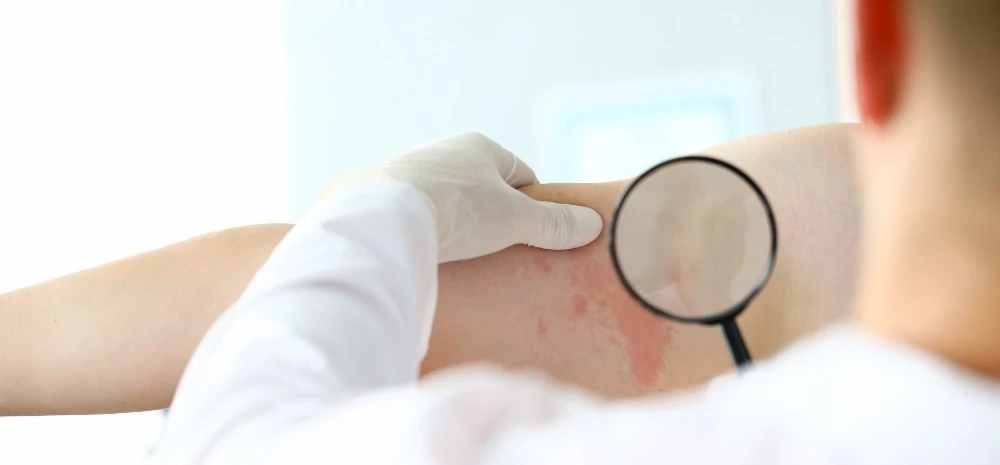
Health Surveillance Technician for Dermatitis
Get in touchAt Health Surveillance Technician, we provide specialist workplace monitoring for employees at risk of developing occupational skin conditions .
Dermatitis is one of the most common occupational illnesses in the UK, affecting workers in industries where contact with oils, solvents, detergents, cement, cleaning agents, or prolonged wet work is routine.
Left unchecked, dermatitis can cause pain, absence from work, and even permanent skin damage.
Our technicians deliver this service by carrying out regular checks, recording findings, and escalating concerns to occupational health professionals where needed.
Request a free, no-obligation quote for your next health surveillance technician today.
Why Is Health Surveillance Important for Dermatitis?
Under the Control of Substances Hazardous to Health (COSHH) Regulations 2002, employers are legally required to provide health surveillance for employees exposed to substances that can cause dermatitis.
Occupational dermatitis often starts with mild redness or itching but can quickly progress into painful cracks, blisters, or chronic skin conditions.
Since workers may ignore early signs, regular checks are essential to detect problems before they become severe. Health surveillance helps identify risks at the earliest stage, reduces sickness absence, and ensures compliance with COSHH.
It also provides reassurance to employees that their health is being safeguarded.
What Does a Health Surveillance Technician Do for Dermatitis?
A health surveillance technician performs visual inspections of employees’ skin, usually focusing on the hands and forearms, and uses questionnaires to identify symptoms such as dryness, cracking, or itching.
Our technicians keep confidential records of their findings and escalate cases to an occupational health nurse or physician if a problem is suspected.
Technicians also use checks as an opportunity to reinforce safe practices, such as the correct use of gloves, handwashing routines, and skin care products.
How Often Should Health Surveillance Be Carried Out for Dermatitis?
The frequency of checks depends on the level of risk identified in the workplace.
High-risk industries such as construction, cleaning, catering, and healthcare often require annual skin checks, while very high-risk roles may need monitoring every six months.
A baseline check should always be conducted when employees begin working with hazardous substances.
Employers must keep these schedules under review as part of their COSHH compliance.
What Is the Cost of Health Surveillance for Dermatitis?
The cost of health surveillance for dermatitis is from £50 to £80 per employee.
Programmes that involve referrals or medical assessments can range from £100 to £150+ per employee.
The cost of dermatitis health surveillance depends on the number of employees at risk, the frequency of monitoring, and whether escalation to occupational health professionals is required.
Larger employers often reduce costs per worker through tailored surveillance packages.
Compared with the expense of compensation claims, staff absence, or HSE enforcement, these costs are minimal.
What Are the Benefits of Health Surveillance for Dermatitis?
The key benefit of dermatitis assessments is that we can detect early signs of skin damage or dermatitis, protecting employees while ensuring employers comply with COSHH requirements.
Health surveillance for dermatitis provides a range of advantages for both staff and employers, including:
Detects early signs of skin conditions before they worsen.
Ensures compliance with COSHH and HSE requirements.
Protects staff health and reduces long-term illness.
Lowers absenteeism and potential compensation claims.
Provides documented evidence of employer responsibility.
What Symptoms Are Monitored During Dermatitis Checks?
Health technicians look for redness, dryness, itching, cracks, blisters, or rashes on the skin.
Employees may also be asked about discomfort, pain, or sensitivity when handling certain substances.
Since dermatitis can develop gradually, even subtle changes are recorded.
Any signs of allergic or irritant dermatitis are escalated for medical review.
Early detection allows quick intervention and reduces the likelihood of permanent damage.
Is Health Surveillance for Dermatitis a Legal Requirement?
Under the COSHH Regulations, employers must provide health surveillance for employees exposed to substances known to cause dermatitis.
We include industries such as healthcare (frequent handwashing and disinfectants), hairdressing (dyes and shampoos), construction (cement and wet work), cleaning (detergents), and mechanics (oils and fuels).
Failure to comply can result in HSE enforcement, fines, and legal liability. Records must be kept for at least 40 years because dermatitis can have long-term effects.
What Happens If a Worker Shows Symptoms of Dermatitis?
If a health technician identifies possible symptoms, the employee will be referred to an occupational health nurse or doctor for further assessment.
Depending on the severity, treatment may be recommended, and the worker may need temporary adjustments to duties to reduce exposure.
Employers must act on medical advice, which may include improving PPE, training, or hygiene practices.
Prompt intervention prevents worsening of the condition and demonstrates compliance.
How Are Records from Dermatitis Surveillance Managed?
All records of skin checks must be stored securely and kept for at least 40 years, in line with COSHH requirements.
These records include baseline assessments, follow-up checks, symptoms reported, and any referrals made.
They provide a long-term health history for each employee and may be reviewed by the Health and Safety Executive (HSE) during inspections.
Accurate record keeping protects both employees and employers.
Which Workers Are Most at Risk of Dermatitis?
Those who carry out “wet work” (frequent handwashing or immersion), handle cleaning agents, work with oils, solvents, or cement, or wear gloves for prolonged periods are at the highest risk.
Sectors such as healthcare, catering, construction, hairdressing, and manufacturing are particularly affected.
Employers in these industries must include skin checks as part of their COSHH surveillance.
What Preventative Measures Should Employers Take Alongside Surveillance?
Dermatitis surveillance is important, but it must be supported by preventative controls.
Employers should provide appropriate gloves, barrier creams, and moisturizers, along with proper handwashing facilities.
Substituting hazardous substances with safer alternatives where possible can also reduce risks.
Training workers to recognise early symptoms and encouraging good skin care practices are equally important.
Prevention and surveillance together provide the best protection.
Can Dermatitis Lead to Long-Term Health Issues?
Untreated occupational dermatitis can become chronic and result in permanent skin damage.
Severe cases may prevent employees from continuing in their roles, leading to long-term absence or even loss of livelihood.
Chronic skin conditions can also cause pain, discomfort, and psychological stress.
Health surveillance ensures early treatment, preventing these long-term consequences.
Are Agency or Temporary Staff Included in Dermatitis Surveillance?
Any worker at risk of exposure must be included in the surveillance programme, regardless of whether they are full-time, part-time, temporary, or agency staff.
Employers have a duty of care for everyone working under their control. Including all workers ensures consistent safety standards and demonstrates full compliance with COSHH.
What Role Does Employee Training Play in Reducing Dermatitis Cases?
Training is a vital complement to surveillance.
Workers need to understand how to use PPE correctly, when to apply skin creams, and how to wash their hands without irritating.
Employees should be encouraged to report symptoms promptly.
When training is combined with routine checks, staff are more likely to protect their skin effectively, and conditions are caught earlier.
How Does Health Surveillance for Dermatitis Benefit Employers Financially?
Early detection reduces sickness absence, minimises compensation claims, and prevents enforcement action by the HSE.
Dermatitis is one of the leading causes of lost working days in some industries, so preventing it directly reduces costs linked to cover staff, reduced productivity, and potential litigation.
A small investment in surveillance saves employers significant financial and reputational losses.
Schedule a Health Surveillance Technician for Dermatitis
At Health Surveillance Technician, we provide reliable and compliant monitoring to protect workers and support employers in meeting their legal obligations.
Our technicians deliver thorough checks, maintain accurate records, and escalate concerns to occupational health when needed.
Contact Health Surveillance today to arrange your workplace health surveillance programme.