
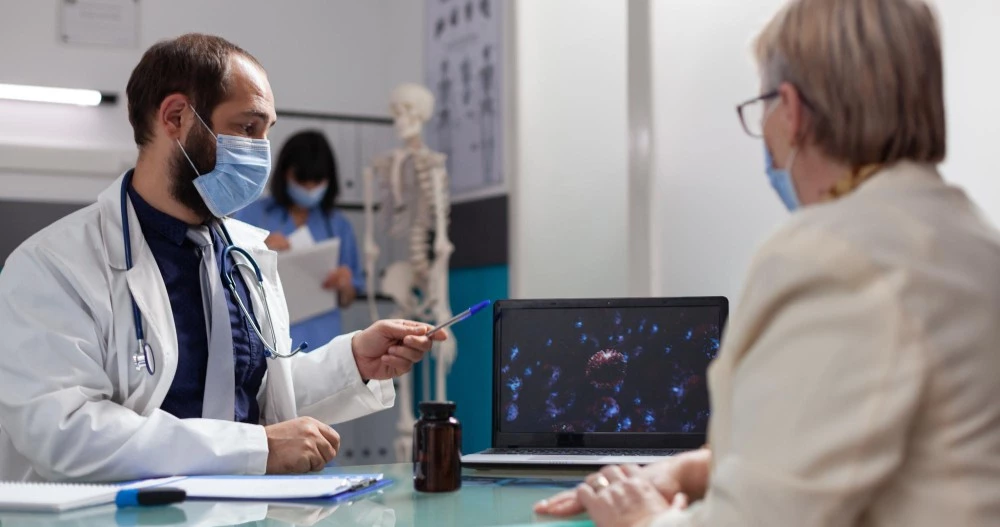
Health Surveillance Technician for Lead Exposure
Get in touchAt Health Surveillance Technician, we provide specialist workplace testing and monitoring services for employees at risk of lead exposure. Lead is a dangerous metal that can cause long-term health damage, including neurological issues, kidney problems, and disruption to blood production.
UK employers operating in environments with lead exposure have a legal obligation to implement appropriate health surveillance measures. Our qualified lead exposure technicians ensure your workforce is monitored in accordance with the Control of Lead at Work (CLAW) Regulations 2002, supporting both compliance and employee safety.
Request a free quote from our occupational health surveillance team today and begin building a safer working environment.
Why Is Health Surveillance for Lead Exposure Necessary?
Lead can enter the human body through inhaling contaminated dust or fumes, or by ingesting particles from unclean hands, tools, or surfaces.
Once absorbed, it builds up over time and can lead to serious chronic health effects. Implementing occupational lead surveillance is essential for identifying elevated blood-lead levels before lasting damage occurs.
Routine medical monitoring reduces health risks, promotes staff wellbeing, and helps employers meet their legal responsibilities under UK law.
What Does a Lead Exposure Monitoring Technician Do?
Our lead health surveillance technicians carry out regular health checks for workers exposed to lead-containing materials.
Their duties include taking blood samples for laboratory analysis, recording symptoms such as headaches or fatigue, and reviewing workplace exposure history.
They also assess whether employees are using personal protective equipment (PPE) correctly and provide advice on safe working practices.
Test results are reviewed by an occupational health professional, ensuring any necessary action is taken promptly and effectively.
How Frequently Should Employees Be Tested for Lead?
Testing intervals are based on the level of exposure risk. Employees in high-risk roles, such as lead smelting, battery manufacturing, or demolition of older buildings, require testing every three to six months.
In lower-risk occupations, annual surveillance may be sufficient.
These requirements are set out in the CLAW Regulations and are designed to protect workers by ensuring that potential health problems are identified early.
Our lead health surveillance programmes are tailored to match these intervals and workplace conditions.
What Is the Cost of Lead Exposure Health Surveillance?
The cost of lead health surveillance ranges from £80 to £120 per employee.
More comprehensive medical assessments, which include occupational health evaluations or follow-up appointments, usually range from £150 to £200 or more per individual.
The total cost depends on workforce size, frequency of testing, and the specific monitoring requirements.
Employers can often reduce per-person costs by implementing a structured package for larger teams. Investing in lead health surveillance is a cost-effective way to avoid penalties, long-term illness, or legal action arising from non-compliance.
What Are the Benefits of Health Surveillance for Lead Exposure?
Health surveillance for lead offers both immediate and long-term benefits to employers and employees.
These include:
Detects exposure early, before serious health effects occur.
Ensures compliance with the Control of Lead at Work Regulations.
Protects staff health and well-being by monitoring risks.
Reduces absenteeism and long-term illness linked to lead exposure.
Provides employers with documented evidence of compliance.
What Are the Symptoms of Lead Exposure?
Early symptoms of lead exposure can be vague and may include fatigue, headaches, mood changes, or stomach discomfort.
Prolonged exposure can lead to more serious conditions, such as anaemia, kidney disease, nerve damage, and fertility problems.
As symptoms may not always be noticeable in the early stages, regular blood testing by our health surveillance technicians provides a reliable way to identify and act on health concerns before they progress.
Is Lead Health Surveillance Legally Required?
Yes. Under the Control of Lead at Work Regulations 2002, employers must carry out health surveillance if there is a significant risk of lead exposure.
Our services include blood-lead level testing, occupational health assessments, and secure record keeping.
Failing to comply with these legal duties can result in enforcement action, prosecution, and financial penalties. Working with our trained surveillance team helps ensure that all legal obligations are met.
What Happens If a Worker Has Elevated Blood-Lead Levels?
If a test reveals that a worker's blood-lead level exceeds the legal suspension limit, the individual must be removed from any further exposure.
They may be reassigned to duties with no lead risk until their levels fall to an acceptable range. An occupational health physician will provide advice on medical management, follow-up testing, and any restrictions required.
Employers must take immediate steps to reduce exposure and prevent further harm, ensuring they remain compliant with legal and ethical responsibilities.
How Are Lead Health Surveillance Records Managed?
Employers are required by law to keep lead health surveillance records for a minimum of 40 years.
These records include blood test results, exposure histories, and medical assessments.
Our surveillance technicians ensure this documentation is collected accurately and stored securely, in line with data protection regulations.
Records must be made available to the Health and Safety Executive (HSE) upon request and serve as critical evidence of compliance with workplace safety laws.
Employer Responsibilities for Lead Surveillance
Employers must undertake thorough risk assessments to determine the likelihood of lead exposure, take steps to minimise this risk through engineering controls and PPE, and offer appropriate health surveillance to affected workers.
They must also provide training on safe handling practices, maintain accurate records, and remove workers from risk when required by blood test results.
lead health monitoring services help businesses meet these obligations efficiently and professionally.
Can a Lead Health Surveillance Technician Advise Employees?
Technicians play an important role in workplace education and frontline guidance.
While they do not conduct medical diagnoses, they can offer clear advice on how to use PPE correctly, how to maintain hygiene to reduce ingestion risk, and how to identify early signs of lead exposure.
Our technicians help ensure that employees understand the risks and know how to protect themselves while performing their jobs.
Which Industries Require Lead Health Surveillance?
Lead health surveillance is essential in any industry where workers are exposed to airborne lead dust or fumes, or where there is a risk of ingesting lead through contaminated hands or surfaces.
Common sectors include battery manufacturing, metal foundries, and lead smelting operations.
Construction and demolition work, particularly involving older buildings painted with lead-based materials, also presents significant risk.
Similarly, workers in industries such as ceramics, glass manufacturing, and paint stripping may be exposed to lead on a regular basis.
Any business where lead is present must conduct a risk assessment and, where exposure is likely to be significant, implement a health surveillance programme in line with the CLAW Regulations.
Get a Free Quote for Lead Health Surveillance
At Health Surveillance Technician, we provide dependable, compliant health monitoring services tailored to your industry.
Our experienced technicians support workplace safety by detecting and addressing lead exposure risks before they become a threat to health or business continuity.
Contact us today to schedule your lead surveillance programme and receive a free, no-obligation quote.