
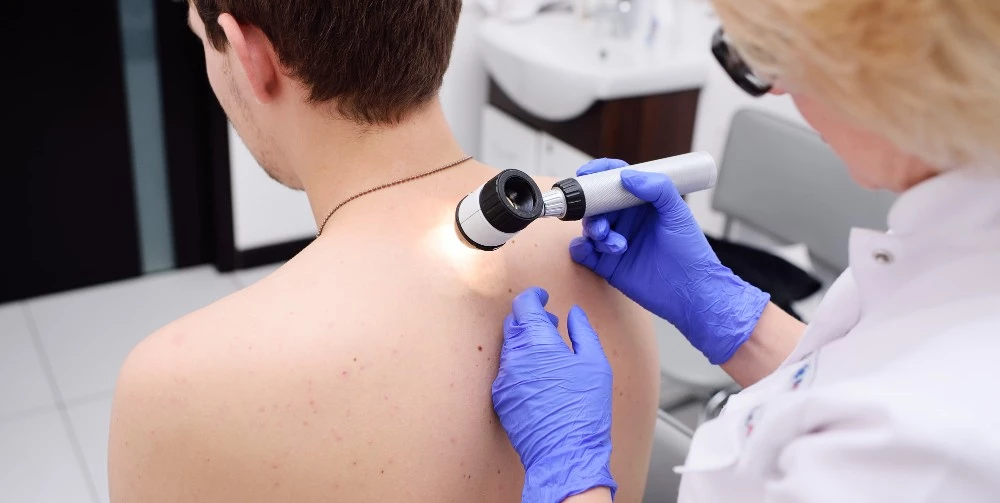
Health Surveillance Technician for Skin Checks in Wiltshire
Get in touchAt Health Surveillance Technician, we provide specialist workplace skin monitoring services in Wiltshire SN11 0 for employees at risk of developing occupational skin conditions, including dermatitis, eczema, or rashes.
Many roles expose workers to hazardous substances, frequent hand washing, or prolonged glove use. These factors can damage the skin and lead to serious long-term health concerns.
Our trained occupational skin health surveillance technicians in Wiltshire conduct regular checks in line with the Control of Substances Hazardous to Health (COSHH) Regulations, enabling early detection of issues and ensuring employer compliance.
Request a free quote from a health surveillance technician for skin checks in Wiltshire today.
Why Are Skin Checks Important in the Workplace?
Work-related skin conditions are among the most common occupational illnesses across the UK.
Exposure to substances such as oils, solvents, cleaning products, and cement can irritate or sensitise the skin.
Without regular monitoring, mild irritation may progress into chronic dermatitis, potentially causing employee absence or permanent skin damage.
Regular skin checks by skin health surveillance professionals in Wiltshire help detect early signs of skin problems, enabling intervention before the condition becomes serious.
What Does a Health Surveillance Technician Do for Skin Checks?
A skin check technician in Wiltshire examines employees’ hands and forearms for signs of irritation such as redness, dryness, cracking, or visible rashes.
They ask about any symptoms like itching, burning, or reactions when handling specific substances.
All findings are recorded confidentially and referred to an occupational health nurse or doctor if necessary.
In addition to assessments, technicians reinforce best practices for glove use, hygiene, and skin care, essential components of occupational skin protection in Wiltshire.
How Often Should Skin Checks Be Carried Out?
The recommended frequency of skin checks in Wiltshire depends on the risk level identified in the COSHH assessment.
In high-risk sectors such as construction, cleaning, vehicle maintenance, and hairdressing, skin checks are often required every 6 to 12 months. In some very high-risk environments, more frequent checks may be necessary.
Employers in Wiltshire must follow a suitable schedule based on exposure levels and maintain accurate records for inspection by the Health and Safety Executive (HSE).
What Is the Cost of Health Surveillance for Skin Checks in Wiltshire?
The cost of skin health surveillance in Wiltshire starts from £50 to £80 per employee.
More comprehensive programmes, which may include occupational health nurse assessments or referrals, cost approximately £100 to £150+ per person.
The total cost depends on workforce size, the frequency of monitoring required, and whether additional occupational health support is needed.
Larger businesses in Wiltshire can often access tailored packages, reducing the per-employee cost.
Compared to the expense of dealing with occupational skin disease claims or prolonged absence, this investment in skin surveillance is highly cost-effective.
Benefits of Regular Skin Checks in Wiltshire
The key benefit of occupational skin surveillance in Wiltshire is the early identification of skin damage or disease, which helps protect worker health while ensuring COSHH compliance.
Key benefits include:
Detects early signs of skin conditions before they become severe.
Reduces sickness absence caused by occupational dermatitis.
Helps employers comply with COSHH and health and safety law.
Protects staff wellbeing and encourages safe working practices.
Provides documented evidence of employer responsibility.
What Are the Common Signs of Work-Related Skin Conditions?
Common symptoms of occupational skin conditions include redness, itching, flaking, cracking, and blistering of the skin, particularly on the hands and wrists.
Some workers may experience allergic reactions or painful rashes after contact with certain materials.
Regular checks by a trained skin health technician in Wiltshire ensure that even minor symptoms are recognised early and escalated appropriately to prevent progression to more serious conditions.
Is Skin Health Surveillance a Legal Requirement in Wiltshire?
Under the COSHH Regulations, employers in Wiltshire must provide skin surveillance when workers are exposed to substances that may cause occupational skin disease.
At Health Surveillance Technician in Wiltshire, we include contact with oils, solvents, cement, detergents, and wet work.
Health surveillance for skin in Wiltshire must be proportionate to the level of risk, carried out by trained personnel, and documented thoroughly. Non-compliance can result in fines, legal claims, or enforcement action by the HSE.
What Happens If a Skin Condition Is Detected During a Check?
If a health surveillance technician in Wiltshire suspects a work-related skin problem, the employee is referred to an occupational health nurse or physician for further examination.
Depending on the severity, temporary removal from exposure, PPE changes, or specialist treatment may be recommended.
Early detection of skin conditions in Wiltshire helps avoid long-term damage and ensures employers can act quickly to prevent further risk and meet their legal duties.
How Are Records from Skin Checks Managed in Wiltshire?
All records from workplace skin checks in Wiltshire are stored confidentially and retained for a minimum of 40 years, in line with UK legislation.
These records include examination notes, reported symptoms, referrals, and outcomes.
Accurate record-keeping ensures employers can demonstrate compliance during HSE inspections and provides a traceable history of employee skin health, particularly in long-term exposure roles.
Which Industries Most Commonly Require Skin Checks in Wiltshire?
Skin surveillance in Wiltshire is often required in industries where employees have direct contact with irritants, allergens, or water for prolonged periods.
These industries include construction (due to cement and wet work), cleaning (exposure to disinfectants), vehicle maintenance (contact with oils and fuels), hairdressing (hair dyes and shampoos), catering (food preparation and wet work), and healthcare (frequent handwashing and sanitiser use).
Any workplace in Wiltshire where substances hazardous to skin are used must consider regular health surveillance as part of their COSHH responsibilities.
Can Skin Checks Help Reduce Staff Absence in Wiltshire?
Regular skin checks in Wiltshire are proven to reduce sickness absence by identifying early signs of occupational dermatitis and similar conditions.
By acting early, employers can prevent progression to more serious issues that could result in time off work or long-term ill health.
This proactive approach not only protects employees but also helps reduce staffing disruptions and associated costs.
Do Employees Need Training Alongside Skin Checks?
Skin health surveillance in Wiltshire is most effective when combined with training.
Employees need to understand how to protect their skin, including proper glove use, appropriate handwashing, and when to report symptoms.
Technicians often reinforce these points during skin checks, but structured training ensures consistent understanding and application across the workforce.
A combined strategy of surveillance and training is the most effective way to minimise the risk of occupational skin disease.
How Often Should Records Be Reviewed by Employers in Wiltshire?
Employers in Wiltshire should review skin check records regularly to identify any trends or repeated issues.
If multiple employees from the same department show signs of irritation or dermatitis, it could indicate that workplace controls need to be improved.
Annual reviews are generally recommended, although higher-risk industries may require more frequent evaluations to ensure prompt corrective action.
What Preventative Measures Support Skin Health in the Workplace?
Preventative measures in Wiltshire should include appropriate glove selection, use of barrier creams, moisturising products, and readily available handwashing stations.
Employers should also assess whether hazardous substances can be substituted with less harmful alternatives or whether exposure duration can be reduced through task rotation.
Regular technician checks, employee training, and robust hygiene facilities work together to reduce the incidence of occupational skin problems.
What Role Does the Technician Play Compared to an Occupational Health Nurse?
A skin check technician in Wiltshire carries out routine visual assessments and symptom reviews.
Their role is to flag potential concerns and refer cases for further medical evaluation where necessary. Diagnosis and treatment are handled by occupational health nurses or physicians.
This tiered approach ensures efficient use of resources while maintaining strong protection for workers' health.
Can Skin Checks Be Carried Out On-Site in Wiltshire?
Skin checks in Wiltshire are conducted on-site, allowing for minimal disruption to operations.
On-site assessments can be scheduled to suit working hours and provide technicians the opportunity to observe environmental conditions and reinforce correct practices.
Employees often feel more at ease being examined in their familiar environment, increasing participation and effectiveness.
Are Employees Involved in the Reporting Process?
During skin surveillance in Wiltshire, employees are encouraged to report symptoms and concerns.
They are informed of findings and whether a referral is needed. This collaborative approach promotes shared responsibility for workplace health and ensures early warning signs are not overlooked.
When employees are actively involved, outcomes improve, and workplace safety culture is strengthened.
What Happens If a Serious Skin Condition Is Found?
If a technician in Wiltshire detects a serious skin issue such as suspected occupational dermatitis or allergic eczema, the employee will be referred for urgent assessment.
Occupational health may recommend temporary removal from exposure, treatment, or adjusted duties.
Employers must act on this advice to protect the individual and demonstrate compliance with COSHH. In some cases, the HSE may request documentation of follow-up actions taken.
Do Employers Need to Inform the HSE About Skin-Related Illnesses?
Under RIDDOR (Reporting of Injuries, Diseases and Dangerous Occurrences Regulations), employers in Wiltshire must report diagnosed cases of occupational dermatitis or similar skin conditions when linked to work.
These reports allow regulators to track trends and intervene if required.
Failure to report cases can result in enforcement action and significant fines.
How Are Employees Encouraged to Take Part in Skin Checks?
Employers in Wiltshire promote participation through clear communication about the benefits of skin surveillance.
Employees are reassured of confidentiality and informed that the checks are to protect their health, not to penalise them.
Training and awareness campaigns also support understanding and engagement, leading to higher uptake rates across the workforce.
Can Technicians Provide Advice on Skin Care Products?
While technicians in Wiltshire do not prescribe treatments, they can offer practical advice.
At Health Surevillance Technician in Wiltshire, we include recommending moisturisers to repair dry skin, barrier creams to reduce exposure risk, and suitable glove selection.
They also advise on good handwashing practices to avoid stripping the skin of natural oils.
These small changes significantly improve skin resilience and reduce the chance of developing occupational skin conditions.
What Role Does Employee Training Play in Preventing Skin Conditions?
Employee training is essential. In Wiltshire, combining regular skin checks with clear training ensures staff understand how to minimise risks.
Training covers safe handling of substances, early symptom recognition, correct glove and cream usage, and reporting protocols.
Together, training and monitoring create a strong, proactive defence against skin disease in the workplace.
Free Quote for Skin Checks in Wiltshire Today
At Health Surveillance Technician in Wiltshire SN11 0, we offer reliable, confidential skin monitoring services that help businesses meet their legal duties and protect employee wellbeing.
Early detection supports better outcomes, and employers benefit from reduced costs, fewer absences, and greater compliance.
Contact us today to arrange your skin surveillance programme in Wiltshire and request a free, no-obligation quote.
We cover Wiltshire